
I had an idea about land restoration after I listened to a podcast about indigenous economies and how they were impacted by colonialization and current federal governmental policies.
I’m not keen on politics, but I’ve learned a lot about so many different places around the world over the years, and realized how much was sacrificed for development and industry. Now, at least where I am in America, there are many reminders of systematic corruption and hindered progress. I see it mostly in the way cities were designed – manifesting poverty. To me it’s very clear in the city I live in, which was founded about 200 years ago, (and inhabited long before 1819) – so much was built yet thousands of spaces are abandoned now. People are being oppressed by blight… Though I’d like to think there’s more good than bad – life is still beautiful, we can be grateful for our lives. …If I let myself, I start to think about all the lost/missing children in the world, or all the pollution being created by plastics, masks, chemicals, cigarettes, pills, or nuclear waste, EMF’s, or all the animals that die everyday on meat farms, or all the trees being clear cut, all the people dying from Covid and other illnesses, all the homeless people, or how money is controlling people. Things are pretty bad.. How can we still find happiness and our purpose? Why would we even want to try and take advantage of or find our place in systems that contribute to the bad? Could we ever live oppression-free?
Oppression works through manipulation, and if people aren’t able to break out of being manipulated then they suffer. Suffering shouldn’t be compared. Pain is pain and everyone deserves healing. We all want peace. But humans are incredibly violent and resourceful, always competing, using what they have and searching for more. While we’ve accomplished so much and are capable of loving one another, our ability to harm is what I always have trouble understanding. I think people hurt eachother over territory most of all. And now I see how people don’t want to or can’t connect to their environment anymore. The land itself is misused. People aren’t relating to their environment – many are lost because they don’t know themselves or what they’re capable of, maybe they’re disconnected from their heritage, natural diet, ancestral faith or bond to the land. Maybe they don’t feel planted where they are, they can’t enjoy their environment or control the circumstances in the environment.
But can you imagine life as a tree? – just dealing with the fact you couldn’t move, only able to let your roots grow deep and branches up high in the wind..? People are moving creatures, we all end up somewhere eventually – nothing will ever be perfect or fair, we just try to live comfortably and we decide for ourselves what’s comfortable.
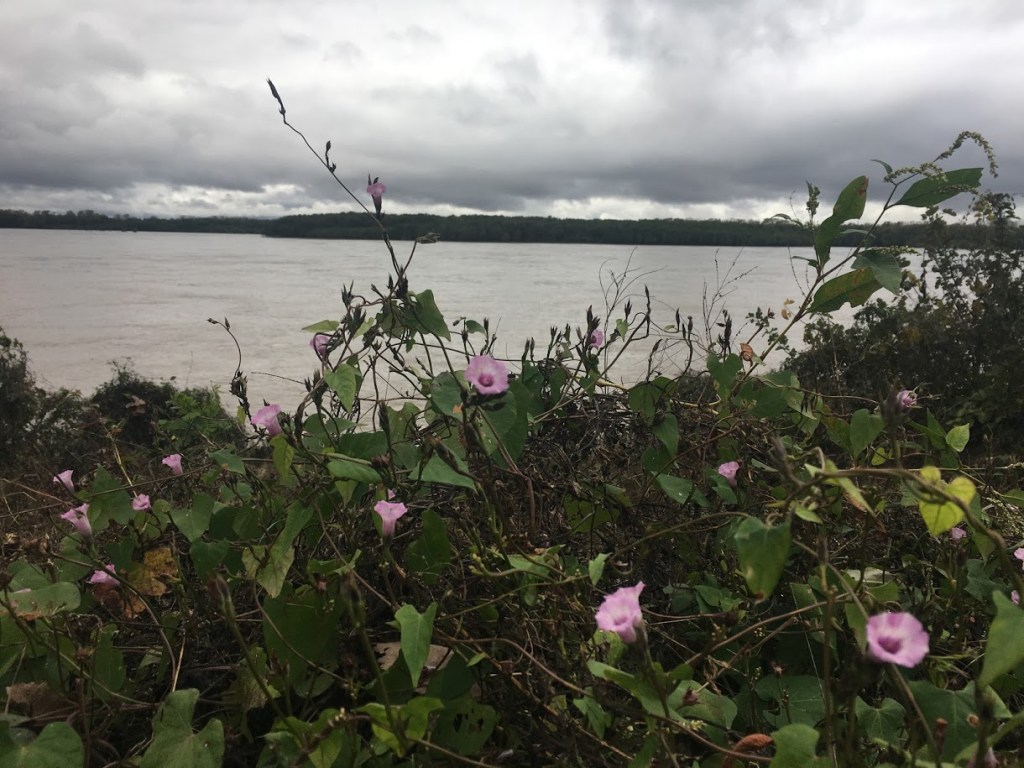
What is comfort? If you could imagine the most comfortable life, what would you see? What’s the infrastructure like? Maybe you imagined something different but I saw a beautiful meadow of flowers, my own garden and a house made of wood or stone.. I’d like a nice big bathtub (I’ve never had one). Everyone has their own perfect scenery with all their basic necessities met. How can we create that lifestyle of our dreams? Even ancient peoples and cities, like the Incas in Machu Picchu living in the mountains, had aqueducts and complex systems. I wonder if they felt oppression? .. Something any designed civilization needs is water. I think the way land and water are owned and used has the biggest impact on how long a society flourishes. Now we have our modern architecture, ways for harnessing resources, and standards of living… I just want to know: can we improve and build on the good? How can we reuse and revitalize?
My mind wandered all around while listening to that podcast …
“restoring economies, restoring environment, restoring community” – the idea:
Replacing blighted spaces with native plants, herbs and wildflowers for phytoremediation, encouraging pollinators, creating jobs -construction, stewardship, guided teaching/learning of indigenous practices. If someone owns the space then seeds could be harvested, flowers could be used for locally made bouquets, profit from sales could be used to uplift the community. Spaces near schools could serve as gardens where students could learn about their environment and its value.
The land on where I live (West Tennessee) really inspires me – I’m just thinking about the ancient forests and all the wildlife that used to roam here, thinking about the aquifer underneath the city, the mounds and artifacts of ancient peoples, the culture and foods of all those who lived here… All of this has so much value to me… I just want to help conserve it.
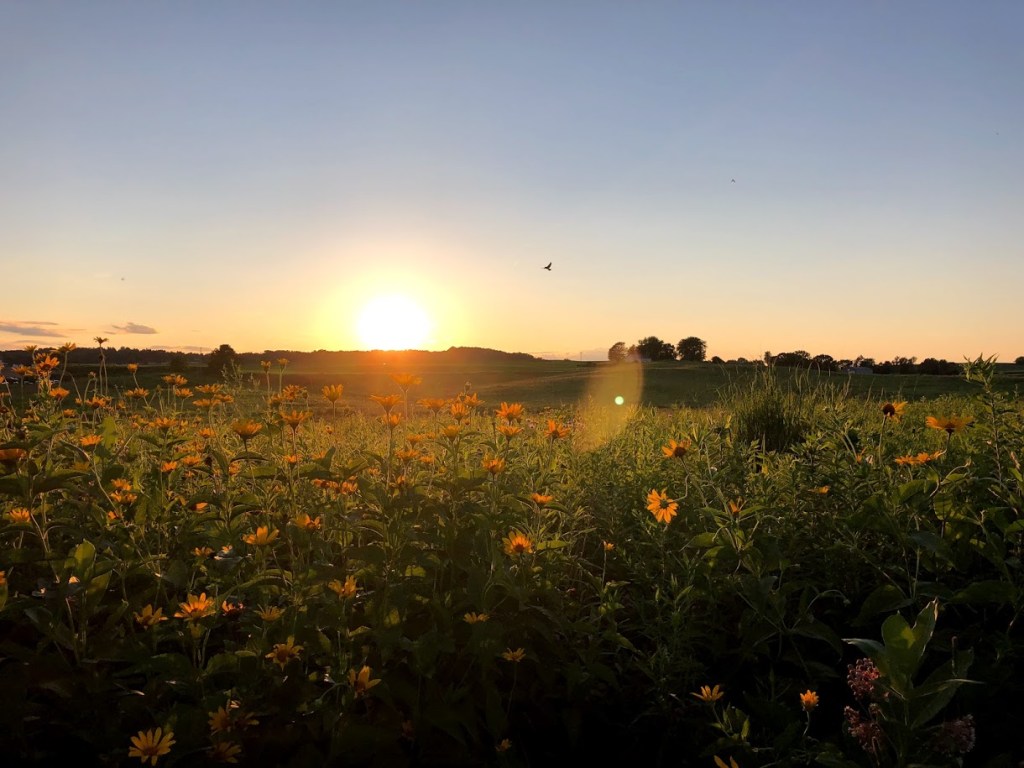
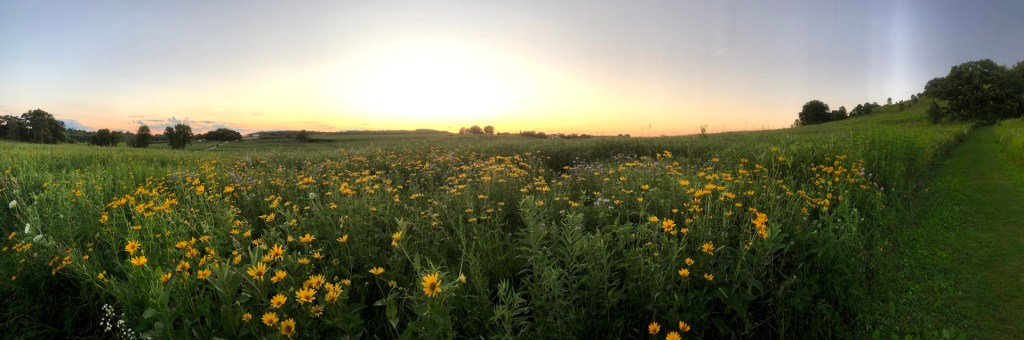
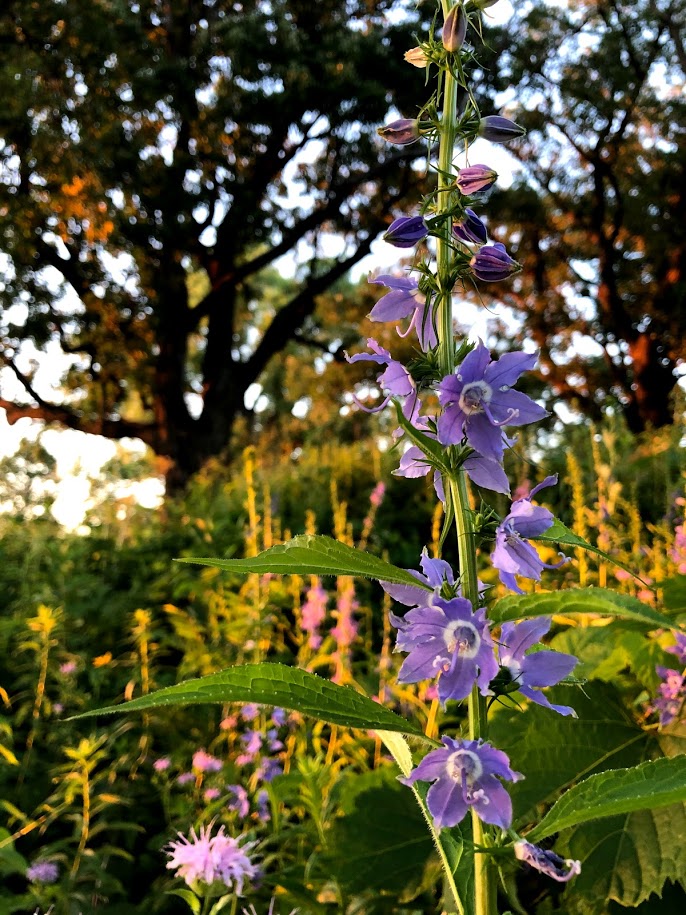
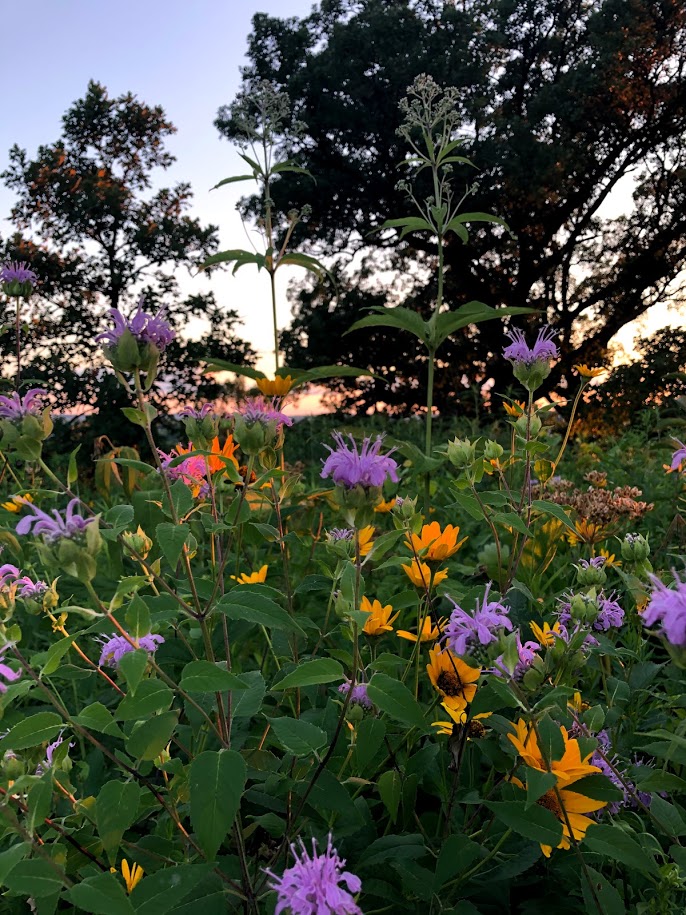
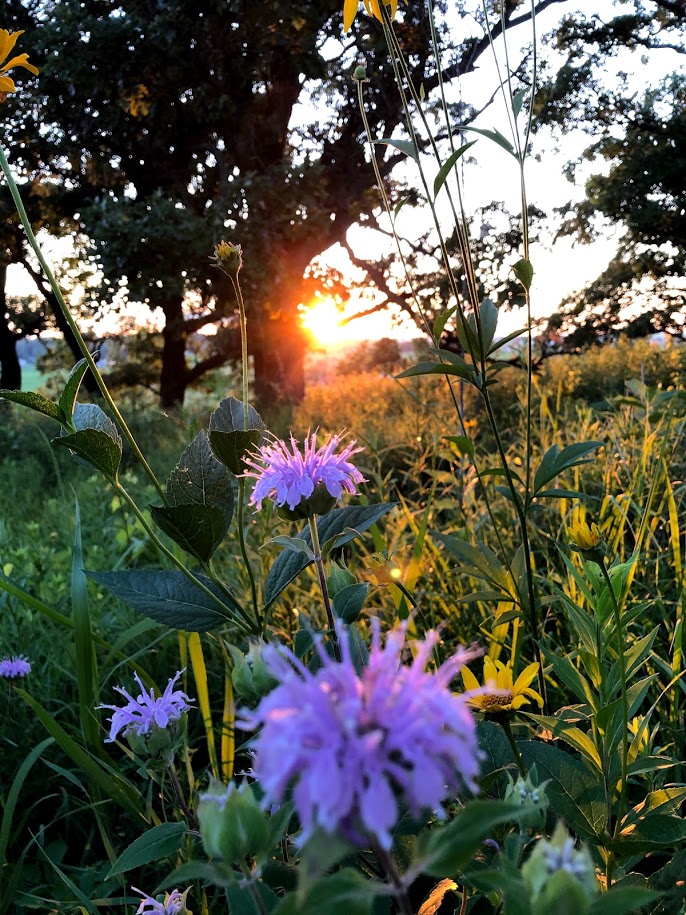
When I went to Middleton, Wisconsin last year I was amazed by the beautiful conservatories they have there. Like Memphis, it was inhabited by Earth-movers who designed their own societies too. The difference: so much information was available to learn about the history and culture of indigenous people in that area, and many sites are full of native wildflowers, herbs, and fruits. It was so beautiful to see how the land is being cherished and how kids can learn through experiencing nature. I wish I could bring something like this to Memphis, a way to honor the rich culture and unique environment, while being economically beneficial.
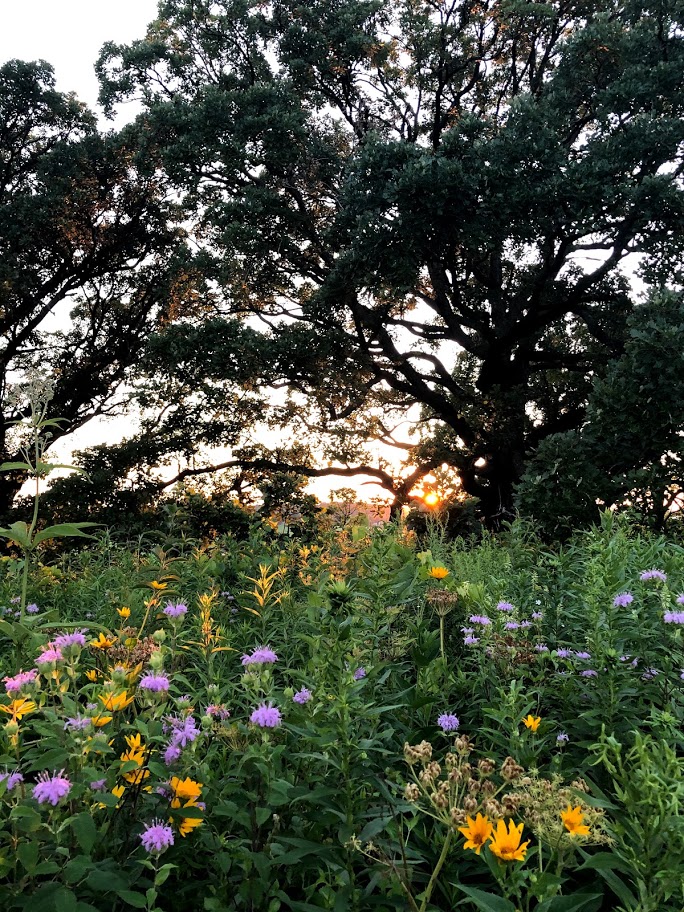
A book I suggest to anyone who is interested in designing cities:
Parks and Recreation System Planning – A New Approach for Creating Sustainable, Resilient Communities by David L. Barth (2020)
 Channeling Passions
Cool 😎
LikeLiked by 1 person