
The Broken windows theory, was an academic theory proposed by James Q. Wilson and George Kelling in 1982 that used broken windows as a metaphor for disorder within neighborhoods.
I have seen and felt the effect myself so I know it’s true.
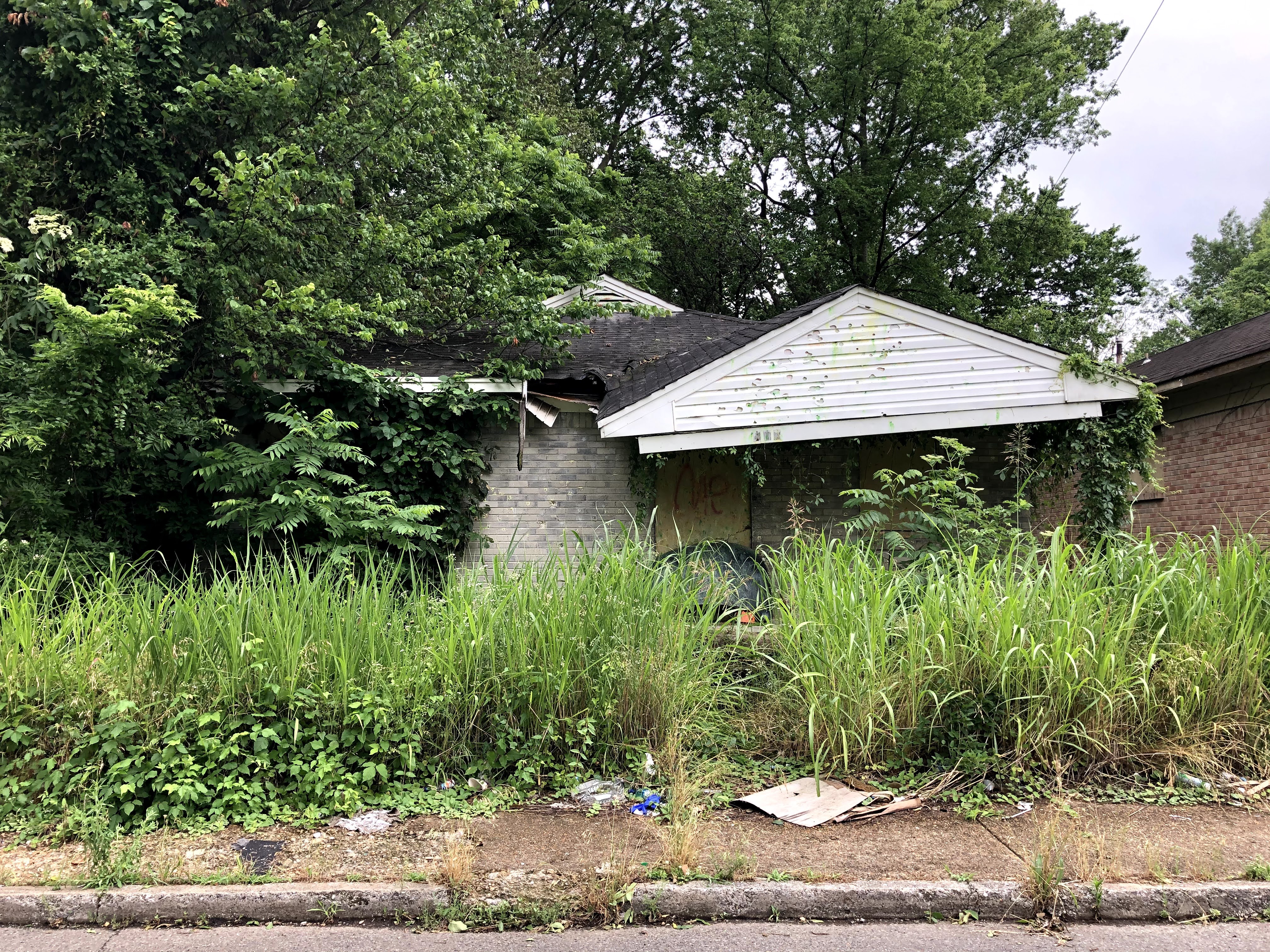
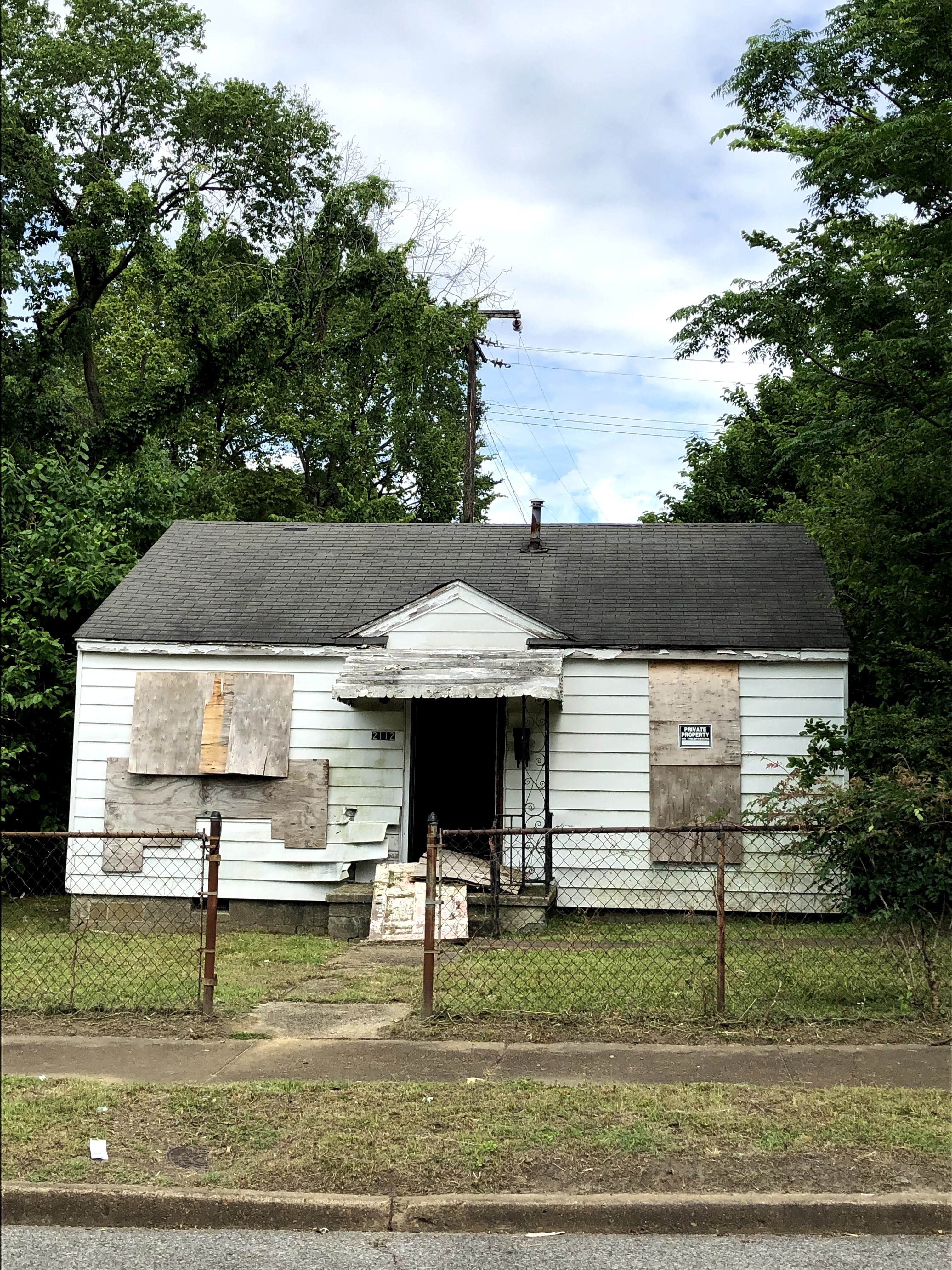
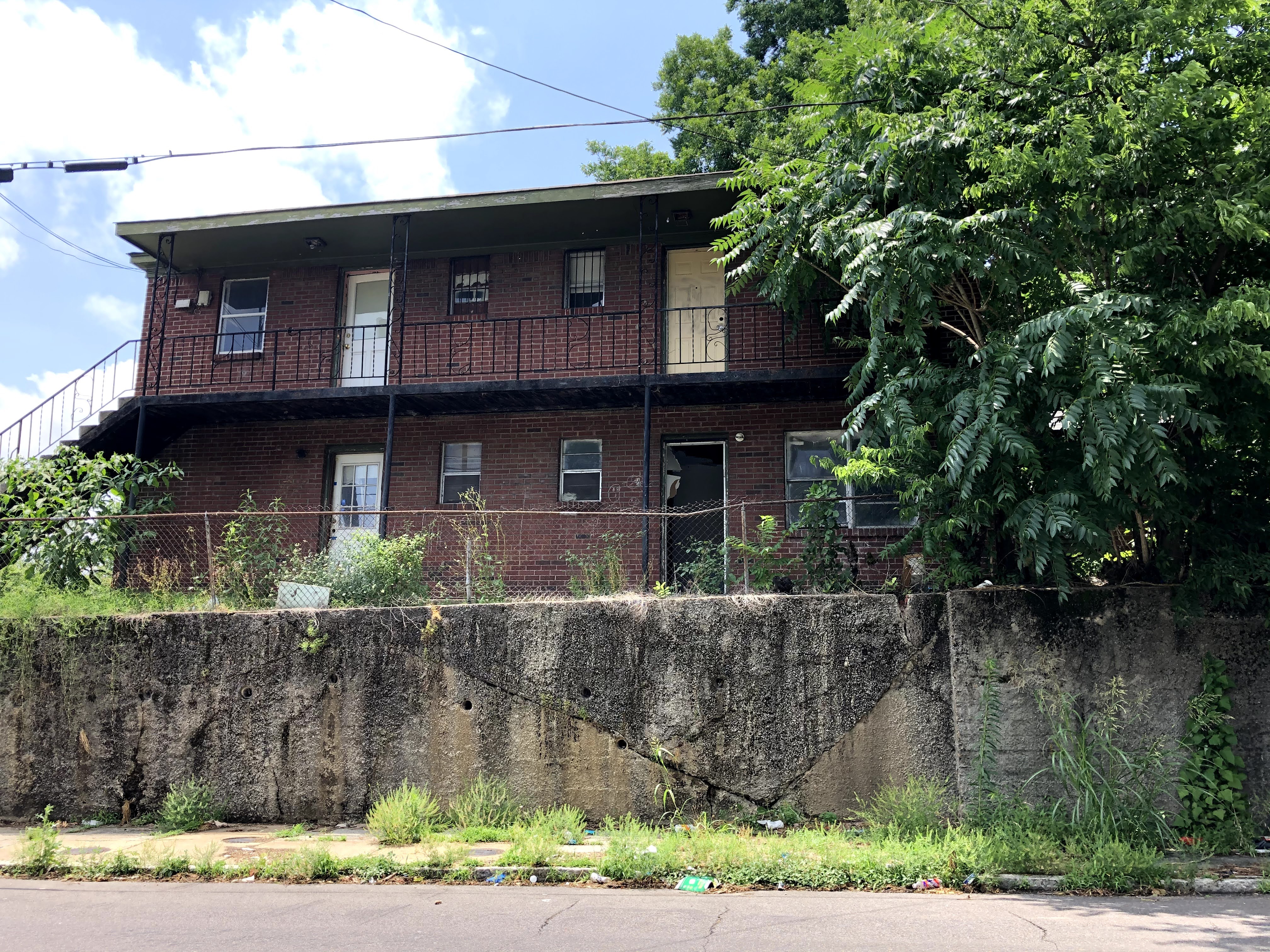
Broken windows are a sign of blight. Blight is abandonment.
In the city I live in, it’s as though the solutions have been abandoned too.
What can we do with our hands these days? Are we building something, lifting, moving earth, planting, practicing some craft? I ask myself too.. am I creating something new, using my hands to do more than just type about a problem..? I won’t feel I’ll have done anything concrete until at least the paper I’m working on gets printed into a physical binder.
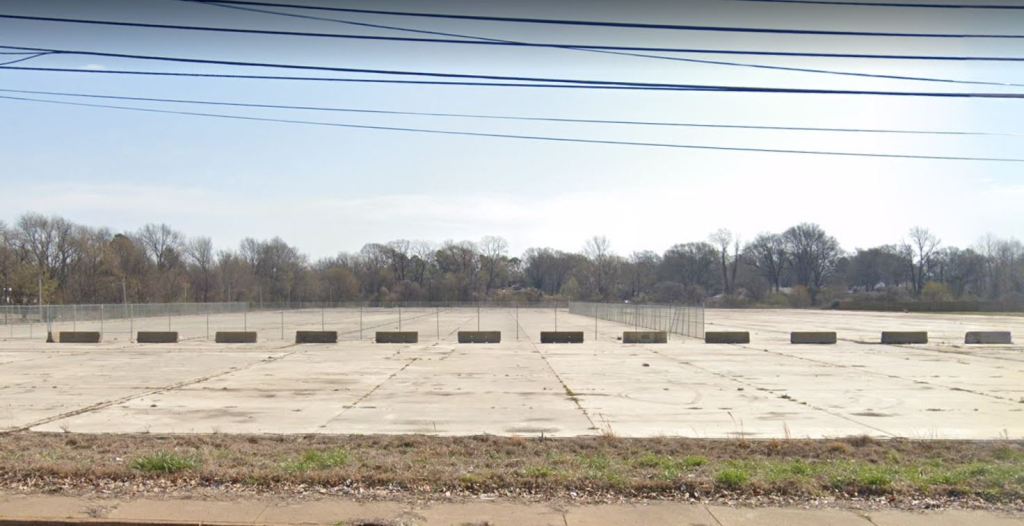
Will people ever use those empty concrete lots? These are not small spaces, they’re going to require a lot. It is a difficult task that no one can seem to take on. My paper will bring more attention to it… but what’s needed is funding for remediation.
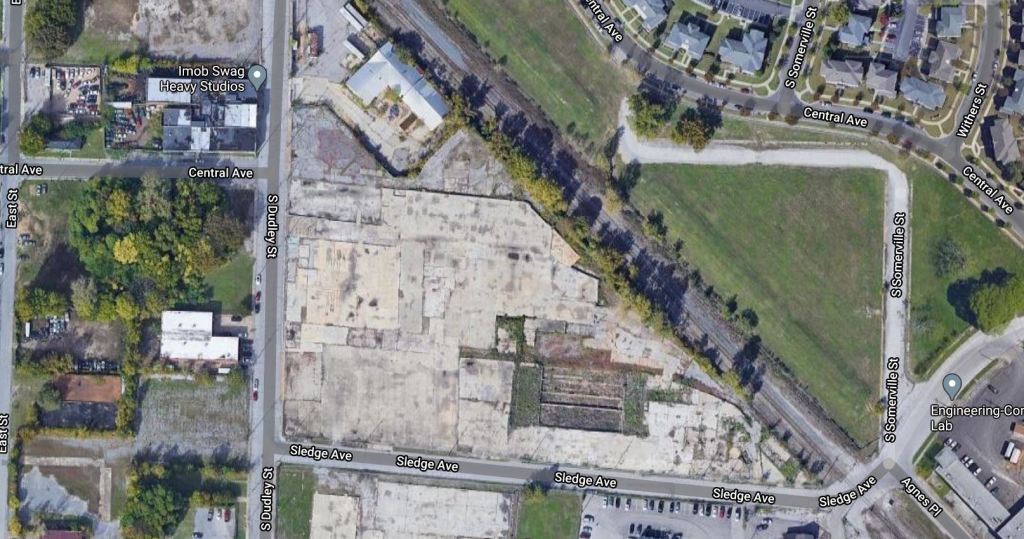
I can imagine how the blighted space would look as a big park, covered in grass, with planted trees and flowers… perfect place for a picnic. It just takes a vision to see it, but the actual labor of restoring the land is what needs to happen next. Who would want to help me do it? Entire communities are in need of nice big parks in their area, and especially after Covid – people need places to go that are outdoors, where they can enjoy nature instead of being cooped up in the house or unable to see friends. Outdoor gatherings are going to become more popular as less people want to gather inside spaces with poor ventilation. We need more open spaces, and we have ample space to use in Memphis.
Our existing open spaces / greenspaces are wonderful. We have Shelby Farms, Shelby Forest, Overton Park, T.O. Fuller State Park, Wolf River Greenways, and the Mississippi Riverside Park. East Memphis has the best existing park system, many parks are near schools with bike trails that connect. There is a lot to be proud of, but also a lot of potential for enhancement.
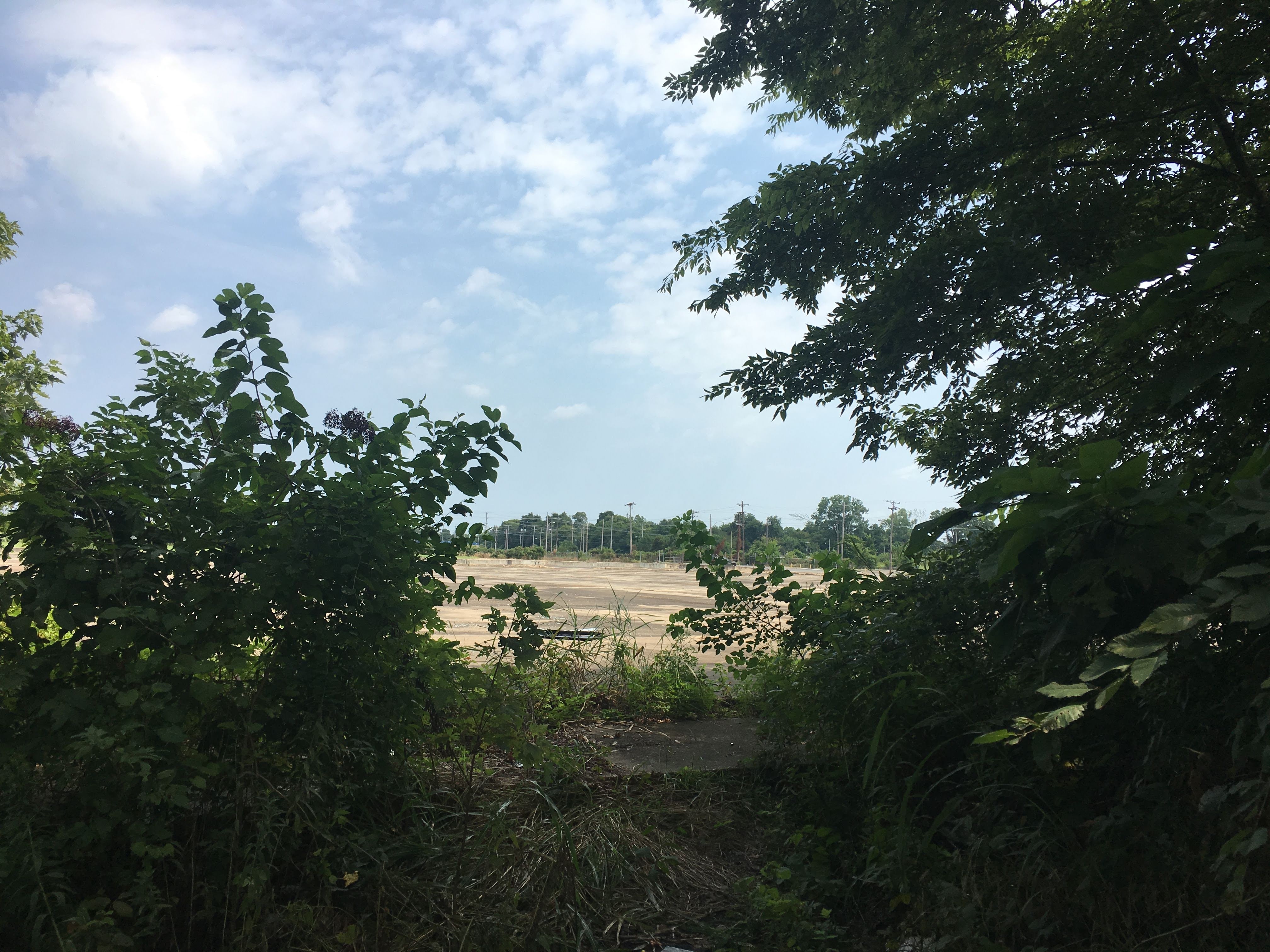


Anywhere there’s a broken window…
Wherever there is large scale blight, smaller scale such as housing blight can be found.
Blight is like a cancer, until we take care of the main tumor which is the large industrial or commercial site, the cancer spreads into its surroundings.
In Philadelphia, residents thought that vacant land affected “community well-being by overshadowing positive aspects of the community, contributing to fractures between neighbors, attracting crime, and making residents fearful.” (Wong, 2017). https://www.publichealthpost.org/research/urban-blight/
I sometimes wonder how I could do some sort of survey, to ask anyone I meet if on a daily basis they see more blight or more parks. What we experience in our environment sets the tone for our existence, though we learn to have self control, the environment has such an impact… especially on those who feel less in control.
The broken window creates a chain reaction of brokenness. If it’s so obvious that blight increases likelihood for crime, then why is that not the number one issue to tackle for our government? Since Memphians all know that crime rates are high here – why is it continuously being put off? When will these acres and acres of blight ever get focused on?
I hope that at least my map showing the locations of large scale blight within a half mile to schools will give people who have the means to invest in remediation an idea of where to invest. Invest near our children. Invest in our neighborhoods. Especially now since tourism is low, why keep making Memphis flashy with lit up bridges when our local communities continue to suffer from blight. If one lightbulb on the bridge breaks someone will go to replace the lightbulb. Why not go to replace the broken windows? It doesn’t matter who owns these broken windows, the means to take responsibility are possible – at what point will the problem be so illuminated that no one can ignore it? Does aesthetic mean more to us than deep healing?
Some more research I’ll share about how some cities deal with their blight:
“Vacant lots are abandoned parcels of open land with no buildings on them. Philadelphia and the Pennsylvania Horticultural Society (PHS) used the city’s antiblight ordinance to identify and remediate vacant lots. Vacant lots with illegal dumping, untended vegetation above a certain height, excess trash, etc. were cited as in violation of the ordinance. If the city is the owner of record, PHS can remediate forthwith. If the owner of record is a private party, then they are given 10 days to respond to the violation; consent or nonresponse allows the city to issue a legal right of entry for PHS to remediate” (Branas et al., 2016). https://www.ncbi.nlm.nih.gov/pmc/articles/PMC5104992/
…We are overdue for solutions like this here… probably in many places around the country.
Out of so many other issues we and our environments face – the least we could do is fix broken windows.


…
 Channeling Passions