
How connected are you to the outdoor spaces around you?
Wherever you live, most likely you drive a car or move through the city and towns to see how buildings and nature coexist.
When I was in my early teens I started noticing it more, how spaces and land were being used – I saw the differences between clean and littered places. I changed schools a lot growing up so I saw different surrounding environments. Near one school there was a boarded up building, near another there was a playground. I wondered how things could be left in certain ways, and why it was happening. I think this opened my eyes to the reality of how much corruption actually exists in the world. The deliberate allowing of deterioration and lack of care was something I didn’t understand. I couldn’t believe how much wasted potential there was.
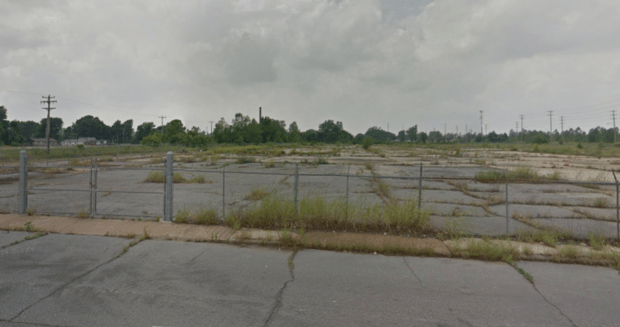

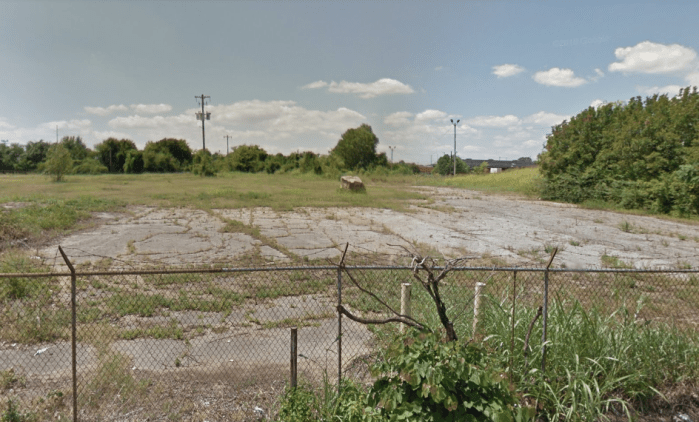
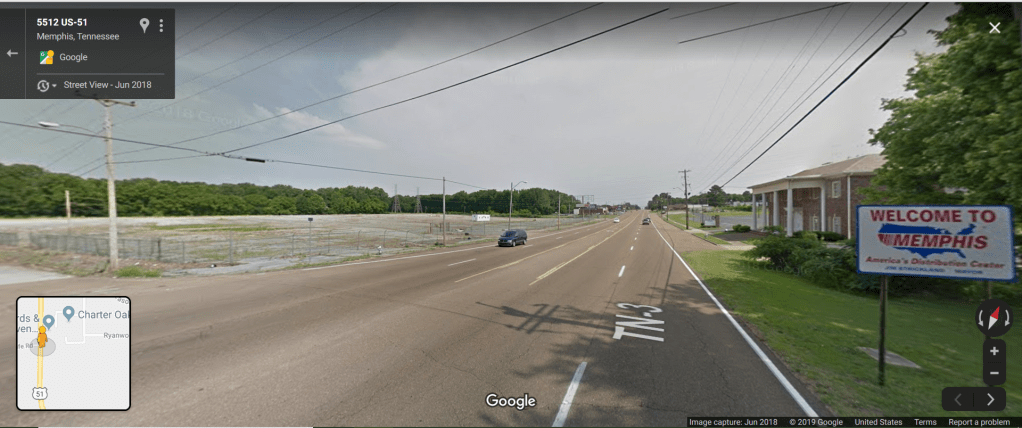
It was then that I truly learned about “blight”, the current processes in place to deal with blight in my city, and the impacts blight have on the environment and people. I started to obsessively use Google Earth to navigate around and find abandoned lots or structures. The topic became my biggest focus towards the end of my undergrad studies, it applied to all my final projects.
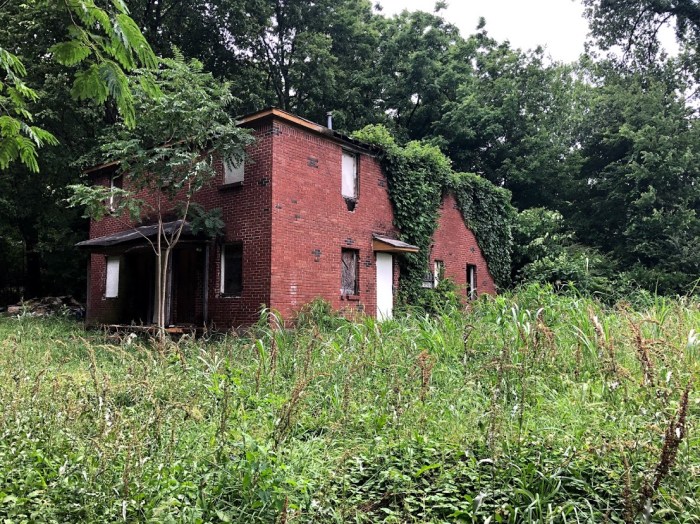


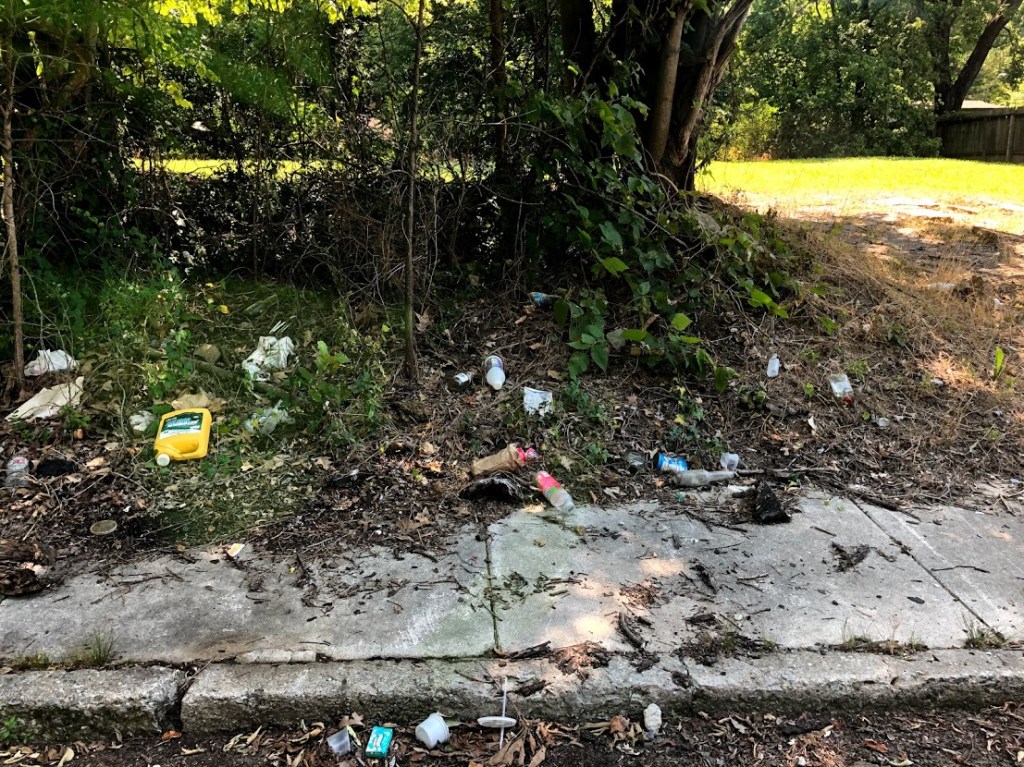
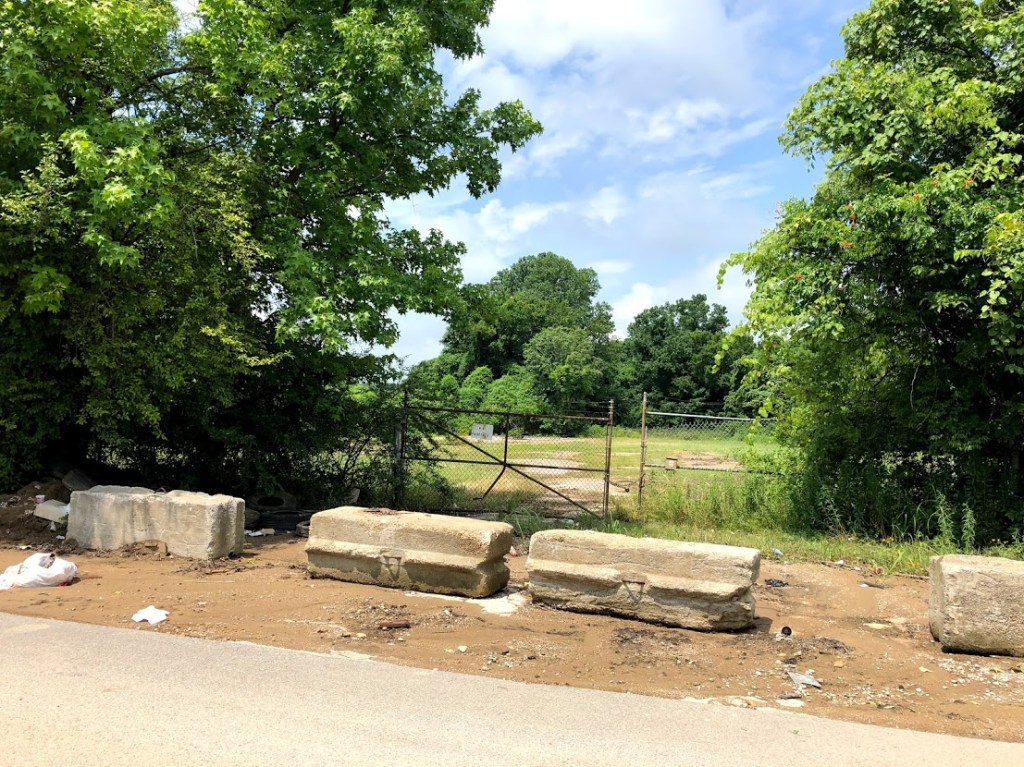

Then I made blight a big part of my post graduate research, and surveyed many commercial and residential properties. I found large areas on aerial imagery and began to see how much land in my own county was actually being left to waste. I had an internship that allowed me to play with data and make maps using GIS – so I did a little investigation. I noticed that more K-12 schools in my city were within a half mile from blight than they were to a park. What could I do about it?
I could imagine how these spaces must have looked before, how the land must have been thousands of years ago before any type of settlement. I imagined the people that built on the land and used the spaces, what they would think if they could see it now. I also imagined what the space could be instead. I figured, if I can at least help change one space, I’ll have succeeded.
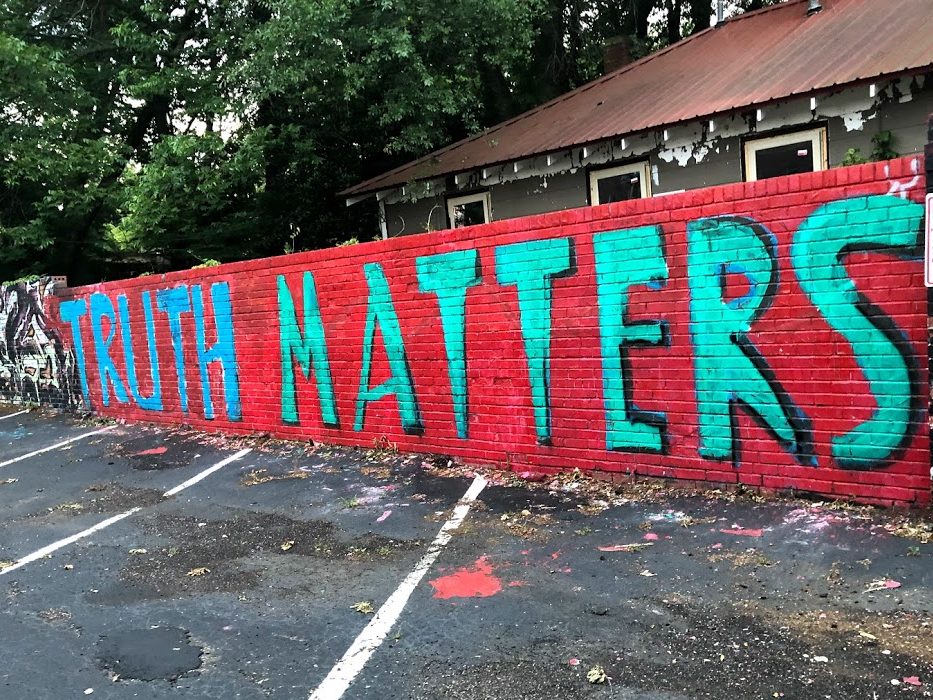
So I found out about phytoremediation and all sorts of ways to restore land. I learned about the cost of demolition, ownership rights, Land Bank policies, regional planning goals and initiatives. I analyzed social statistics like crime, academic achievement and poverty, and I learned about the amazing benefits of greenspaces and why parks, gardens or recreational spaces are so important for the wellbeing of communities and standard of living in society. Thankfully, there are a few organizations that deal with blight and are working hard to eliminate it, but the larger spaces take so long to fix. It’s a shame it’s so easy to build, but not easy to remove.
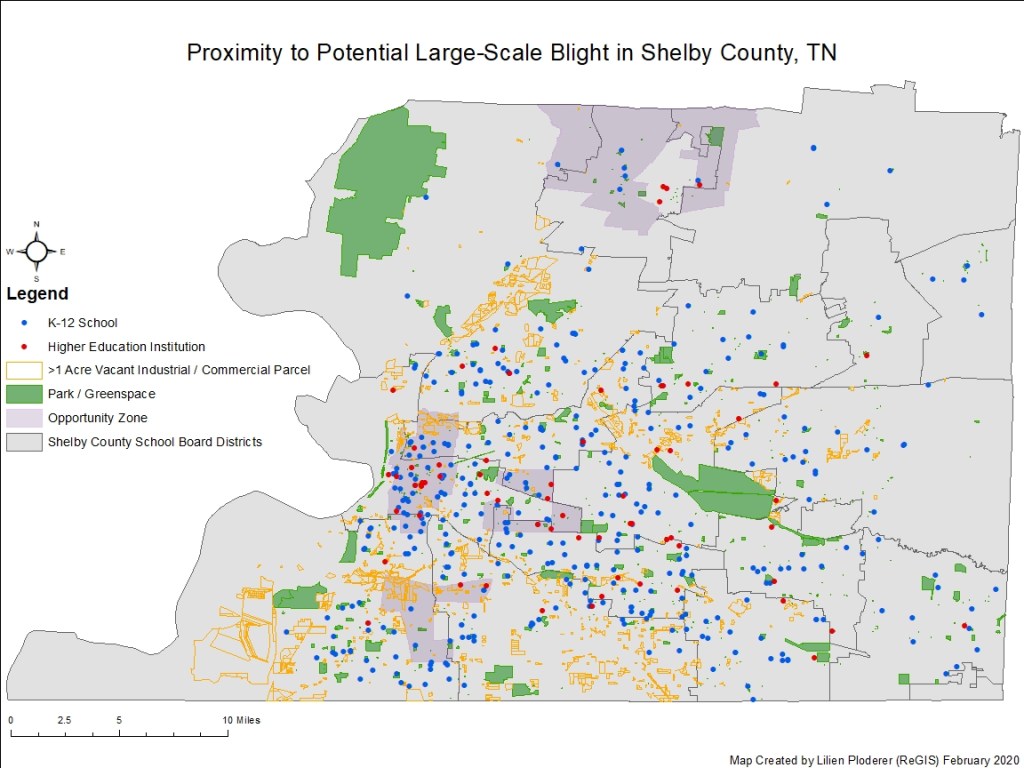
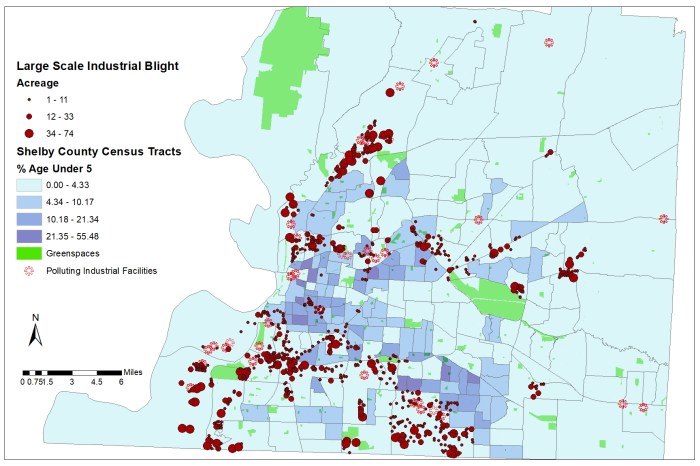
I decided to focus on those spaces closest to youth and their schools in my city – hoping that the maps and professional paper I’m working on will give me a chance to reenvision the current greenspace system, in order to reconnect people to outdoor spaces by opening corridors of greenways that lead to parks and gardens.
It’s a work in progress that can sometimes be draining and depressing, when seeing how much blight exists everywhere – not only that but the trash and toxicity people are exposed to. But remediation is so important and revitalization is so worthwhile. It’s all about prioritization and investment for future generations. I hope for the best… and will continue to make progress on my MA project. If my paper gets published, I’ll let you know 🙂
 Channeling Passions
Wow !!!! Can it be part of your article? That’s a wonderful story!
LikeLike